Vehicle Test Tracks vs. Simulations
Published on2026-09-03/News

Vehicle development increasingly begins in a virtual environment. Engineers can test designs, operating conditions and safety scenarios before a physical prototype is ready to drive. Simulations are quick to configure, easy to repeat and far less expensive than building a new prototype whenever a parameter changes.
Eventually, however, tyres must meet a physical surface, sensors must interpret real surroundings and components must work together as part of a complete vehicle. Physical testing on a vehicle test track therefore remains essential. Simulation and track testing are not competing methods: they answer different questions, and the strongest development programmes use each to inform the other.
A vehicle test track provides a controlled environment in which vehicles, components and software can be developed and validated under physical driving conditions. Development teams can repeat defined manoeuvres, compare configurations and work close to operational limits without the traffic, safety risks and changing conditions found on public roads.
The purpose is not simply to determine whether a vehicle completes a course. Engineers use track testing to understand how and why it behaves in a certain way, whether a design or calibration change produces the intended result and whether that result remains consistent across repeated runs and different conditions. Track data can also be compared with earlier simulation results to identify where the digital model is accurate and where it needs refinement.
Simulations use digital models of the vehicle, its systems and its operating environment. They allow engineers to explore how a design or calibration may respond before testing it in a physical prototype. A virtual vehicle can complete thousands of test cases without consuming tyre life, vehicle energy or prototype availability. This makes simulation an efficient way to narrow the field, although the results remain dependent on the quality of the models, assumptions and input data.
This makes simulation particularly useful for:
A simulation represents the physical world, but it cannot reproduce every variable perfectly. Tyres, road surfaces, weather, mechanical wear and sensor behaviour all contain small variations that can be difficult to model in full. The challenge increases when several systems interact.
A braking manoeuvre on ice, for example, involves tyre characteristics, surface friction, brake pressure, wheel-speed signals, steering input, vehicle balance and control software. Each element can be modelled, but the complete vehicle may still respond differently when all of them interact on a physical track.
Track testing can also reveal issues that were not included in the original model. Unexpected vibration, snow intrusion, inconsistent sensor readings or a change in surface grip may expose behaviour that the development team did not know it needed to simulate. These findings are valuable not only for the vehicle under test but also for improving the model used in the next development cycle.
A proving ground reduces complex road use to selected conditions that can be controlled, measured and repeated. Rather than reproducing every possible journey, it isolates the surfaces, manoeuvres and environmental conditions that place meaningful demands on the vehicle.
Proving grounds may include motorway sections, country roads, gravel, potholes and low-friction surfaces such as snow and ice. These environments allow engineers to assess handling, braking, durability and system performance while collecting data under more repeatable conditions than public-road testing can provide.
Wet tracks and climatic chambers can reproduce defined environmental conditions, while outdoor winter tracks expose the complete vehicle to natural cold, snow and ice. Together, these environments show how low temperatures affect grip, batteries, sensors, fluids, thermal systems and mechanical components.
Test tracks can reproduce emergency braking, lane-change and collision-avoidance scenarios using soft vehicle targets, pedestrian targets and automated test equipment. Simulation helps teams select and refine the scenarios first; physical testing then confirms whether the sensors, software and vehicle systems respond as expected.
Neither method is better in every situation. Simulations offer speed, scale and flexibility, while test tracks provide measured data from tyres, hardware, software and the driver interacting in a complete physical vehicle.
Simulations |
Vehicle test tracks |
| Early concept development | Complete-vehicle validation |
| Rapid comparison of alternatives | Physical system interaction |
| Large numbers of test cases | Tyre and surface behaviour |
| Rare or hazardous scenarios | Real weather and temperature exposure |
| Software development | Driver feedback and vehicle feel |
| Reducing physical prototypes | Finding unexpected real-world behaviour |
The greatest value comes from moving between the two. Simulation identifies promising settings and critical cases. Track data then validates the model and reveals discrepancies. The model can be updated before another round of virtual testing produces a more focused physical test plan. This creates a development loop and helps teams use costly prototype and track time where it contributes the most.
The track layout is only one part of the decision. A suitable proving-ground partner should support the complete test programme around it. Before booking, development teams should consider:
Sweden offers several vehicle test environments with different specialisms. The right facility depends on whether a programme focuses on automated driving, durability, complete-vehicle development or natural winter conditions. Access models also differ, so development teams should confirm whether a facility is available to external customers and under what conditions.
AstaZero, near Borås, specialises in active safety, connected transport and automated driving. Its environments include a high-speed area, multilane road, rural road, flexible test zone and indoor dry track. Development teams can use these facilities to connect virtual and physical verification across controlled traffic scenarios. The proving ground is particularly relevant to ADAS, vehicle automation and interactions between vehicles, infrastructure and other road users.
Drivelab Stockholm, near Arlanda Airport, is an automotive-industry venue for testing, research and education. Its asphalt test ground includes a manoeuvre area for acceleration, braking, lateral dynamics and coasting tests, as well as a dynamic course designed for repeatable assessment of combined vehicle states. The facility is particularly relevant for static and dynamic testing, driver training and the physical verification of simulation models. Its location and dry-track focus make it a useful complement to specialist winter-testing facilities.
We ourselves provide lake-based and land-based winter test tracks here in Arjeplog, in the northern parts of Sweden. Available environments include handling tracks, circular tracks, dynamic straights and hills prepared with snow, ice and different friction levels.
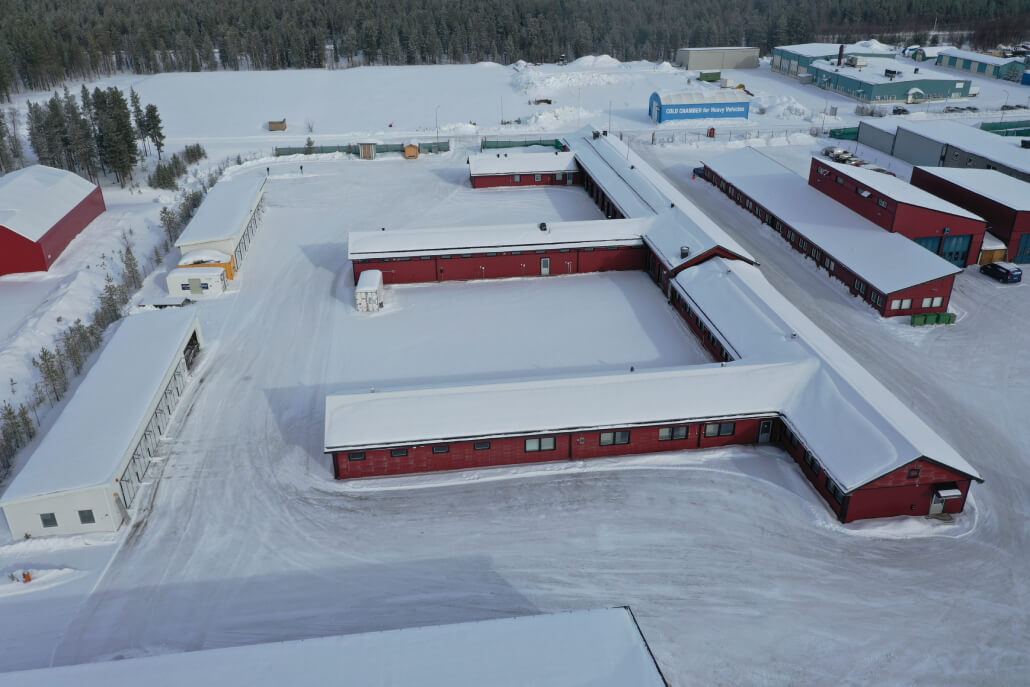
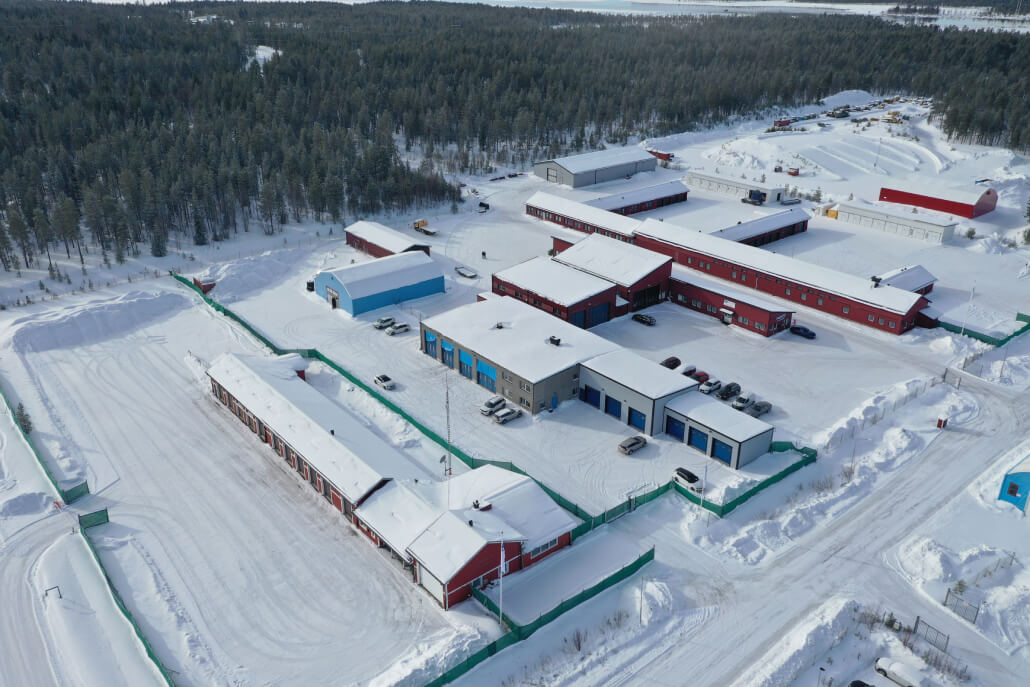
Our vehicle test tracks support the physical development and validation of braking, handling, powertrain, stability-control, tyre and driver-assistance systems under genuine winter conditions. Facilities also include workshops, garages, EV charging and more than 20 cold chambers operating down to −40°C.
Simulations and physical test tracks are most effective when used together. Simulation allows development teams to explore more scenarios, compare alternatives and identify potential issues early. Physical testing then shows how the complete vehicle performs on an actual surface, in natural weather and under physical loads.
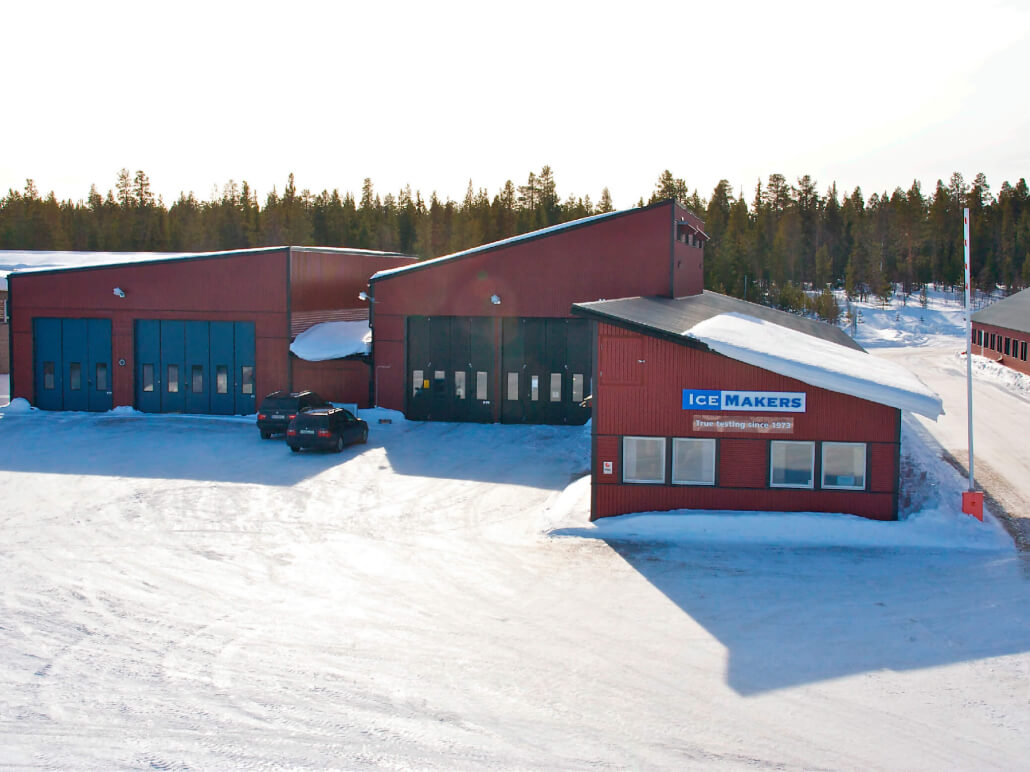
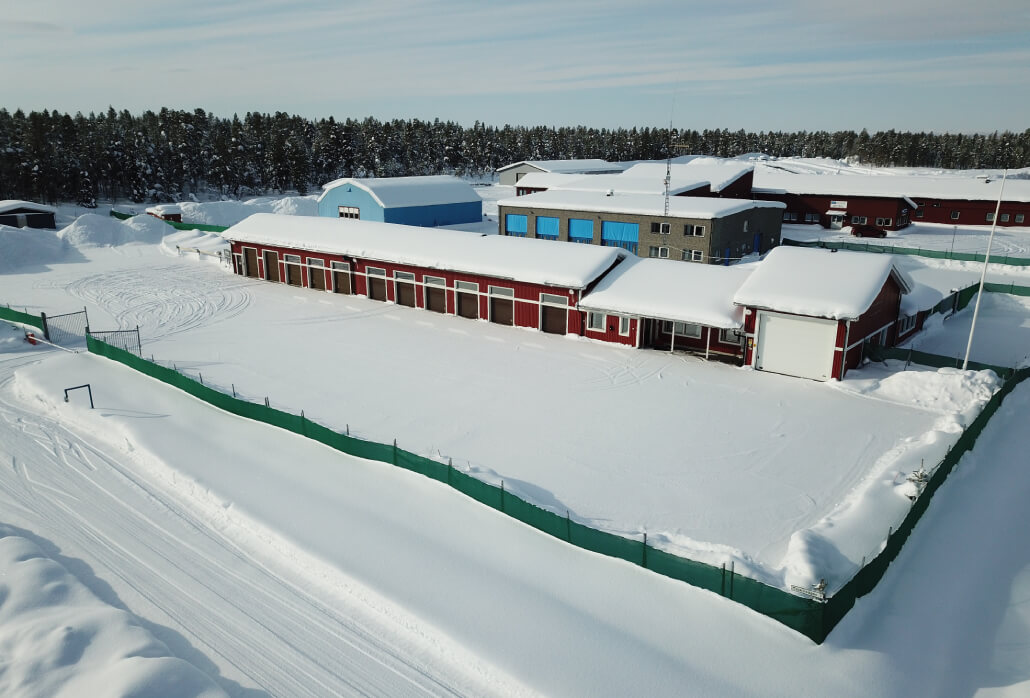
Icemakers does not provide vehicle simulation services. Instead, we provide the tracks, facilities and practical support required for physical winter testing in snow, ice and low temperatures. This includes lake- and land-based test tracks, cold chambers, workshops, EV charging and assistance with logistics, transport and accommodation.
Explore Icemakers’ automotive proving ground and winter testing services.


Stay in the heart of central Arjeplog within easy walking distance of grocery stores, restaurants and other services. All 8 apartments are designed in a contemporary Scandinavian style and are outfitted with their own kitchen and bathroom.
 Own Kitchen/Kitchenette
 Own Bathroom & Shower
 Free Parking
 Laundry Room
 High-speed WiFi
 TV


Opened in 2026, we offer 15 modern apartments/rooms of varying size along with generous social areas, including a well-equipped communal kitchen/dining room (some rooms have their own kitchen) and an inviting lounge.
 Shared Kitchen & Lounge Area
 Breakfast Buffet
Own Bathroom & Shower
Free Parking
Laundry Room
 Gym
High-speed WiFi
TV

Located in central Arvidsjaur as the perfect base of operations for endurance test projects on the public road network, this building has two workshop units, a cold garage, office space, social areas and EV-charging possibilities both in- and outdoors.
 Kitchen & Break Room
 Office Space
 Conference room
 EV-charging (AC)
High-speed WiFi

Multiple heated garages of varying size (up to 4 vehicles) are available, allowing for safe parking of vehicles and/or material storage.
High-speed WiFi
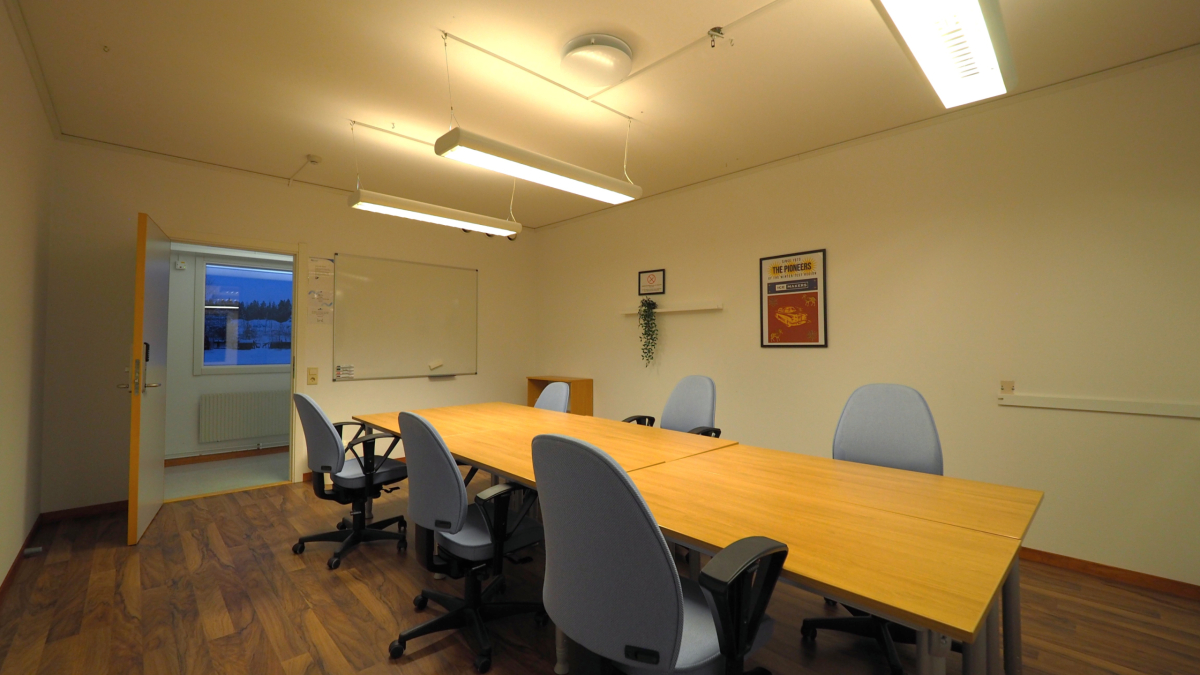

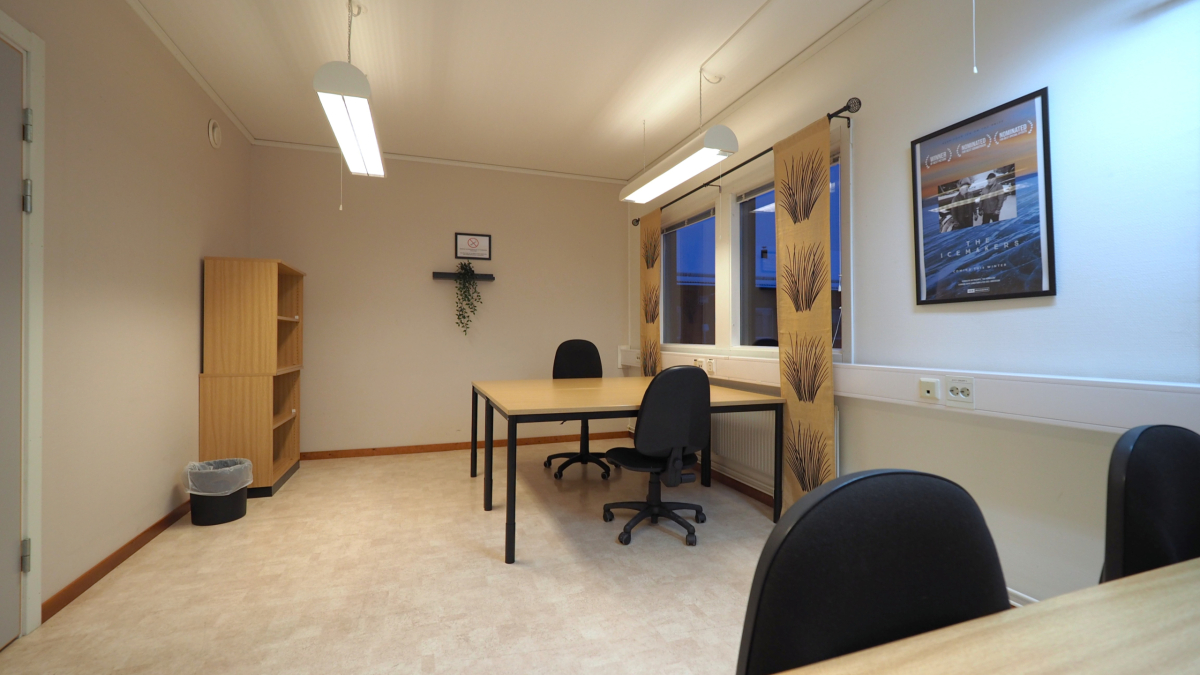

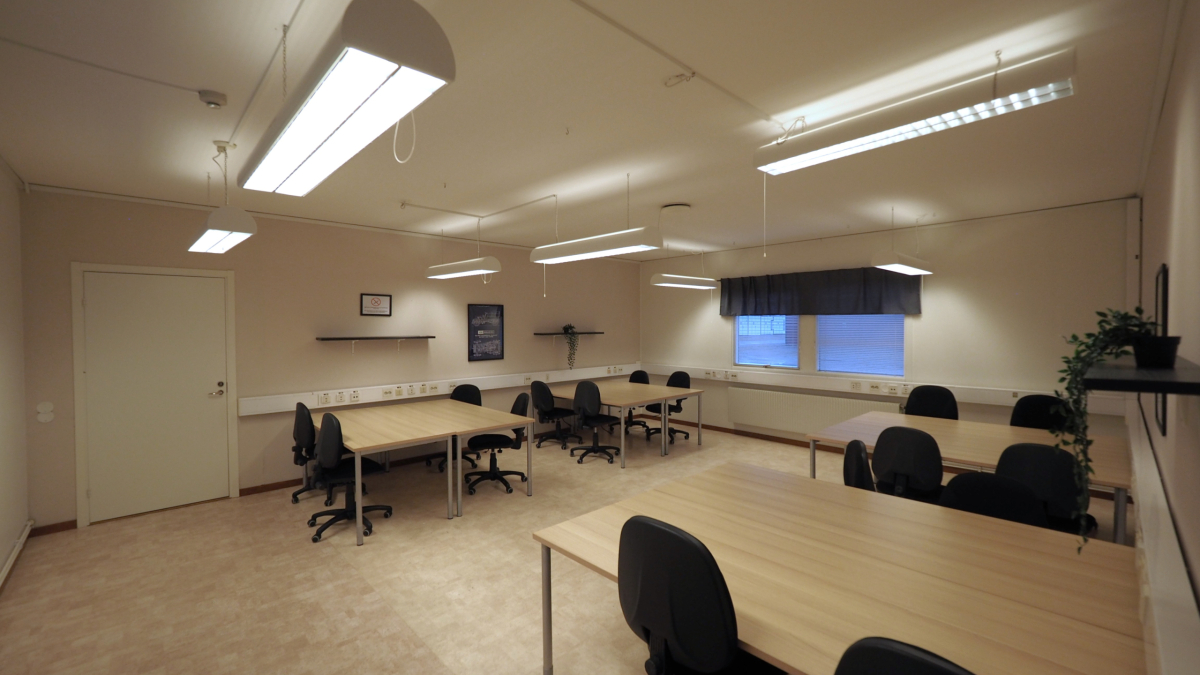

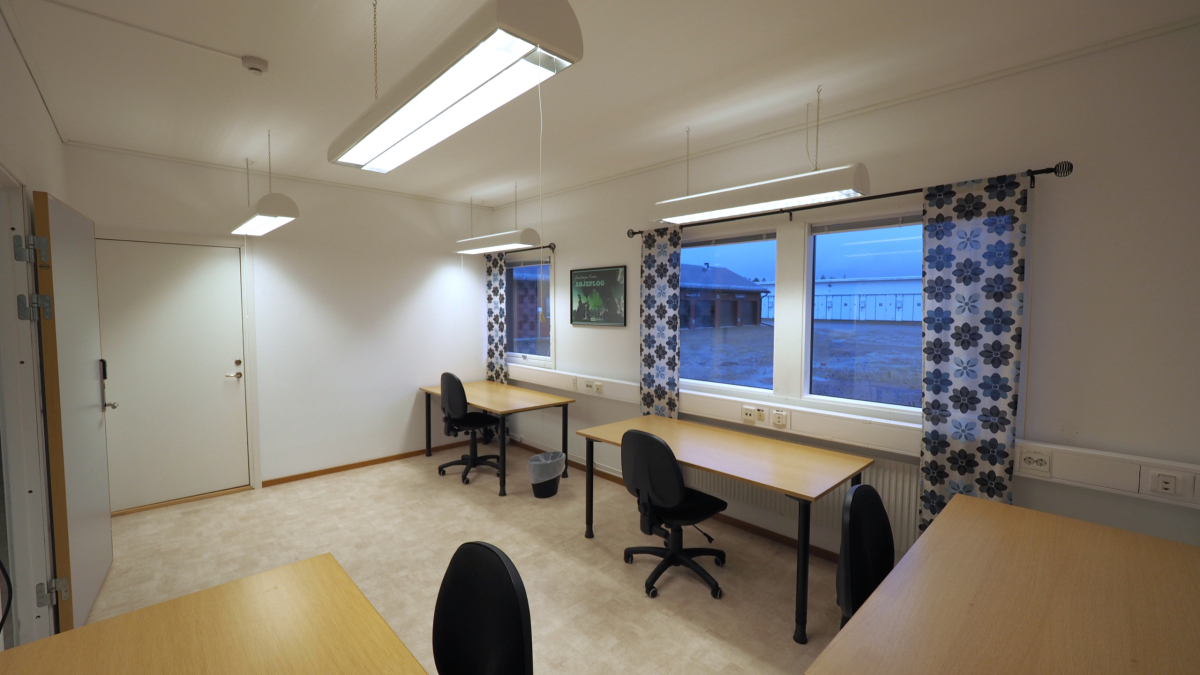
Multiple offices of varying size with space for 4-16 people each. All offices have access to high-speed Internet and a shared kitchen/social room.
Kitchen & Break Room
High-speed WiFi


Workshop unit in the Maskinvägen 13-complex, including:
EV-charging (AC)
High-speed WiFi
Workshop unit in the Maskinvägen 13-complex, including:
EV-charging (AC)
High-speed WiFi


Workshop unit with integrated offices in the Maskinvägen 13-complex, including:
EV-charging (AC)
Office Space
High-speed WiFi


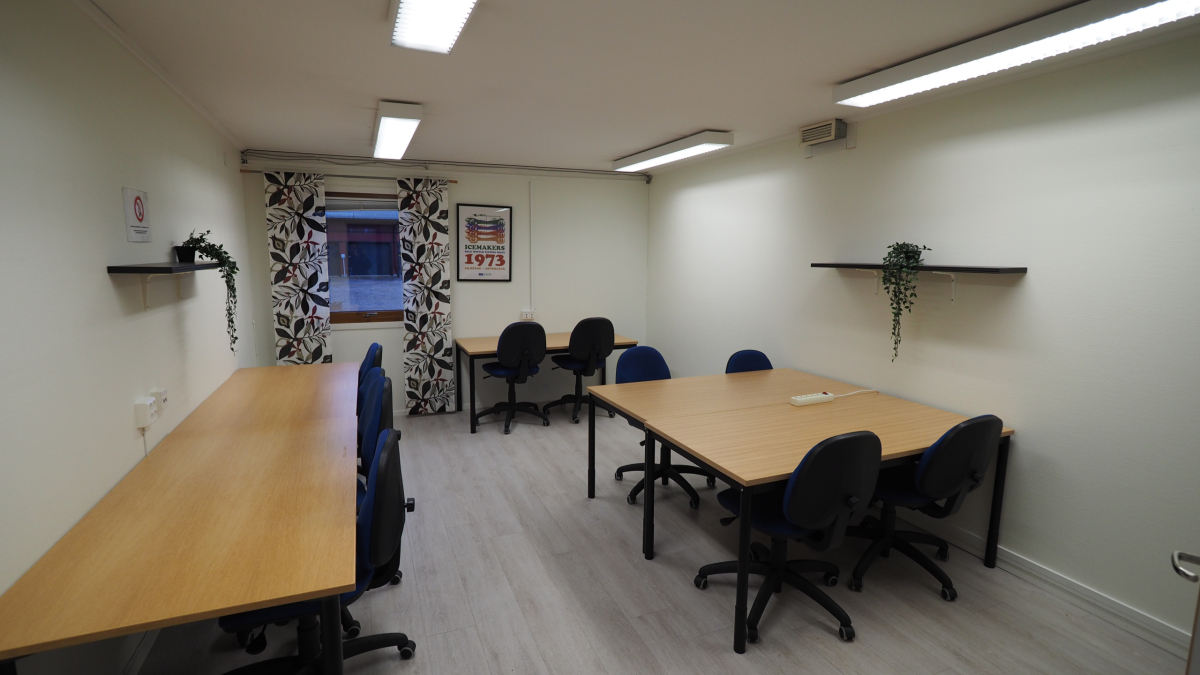

Closed-off part of the Maskinvägen 13-complex including:
Kitchen & Break Room
Office Space
Conference room
EV-charging (AC)
High-speed WiFi


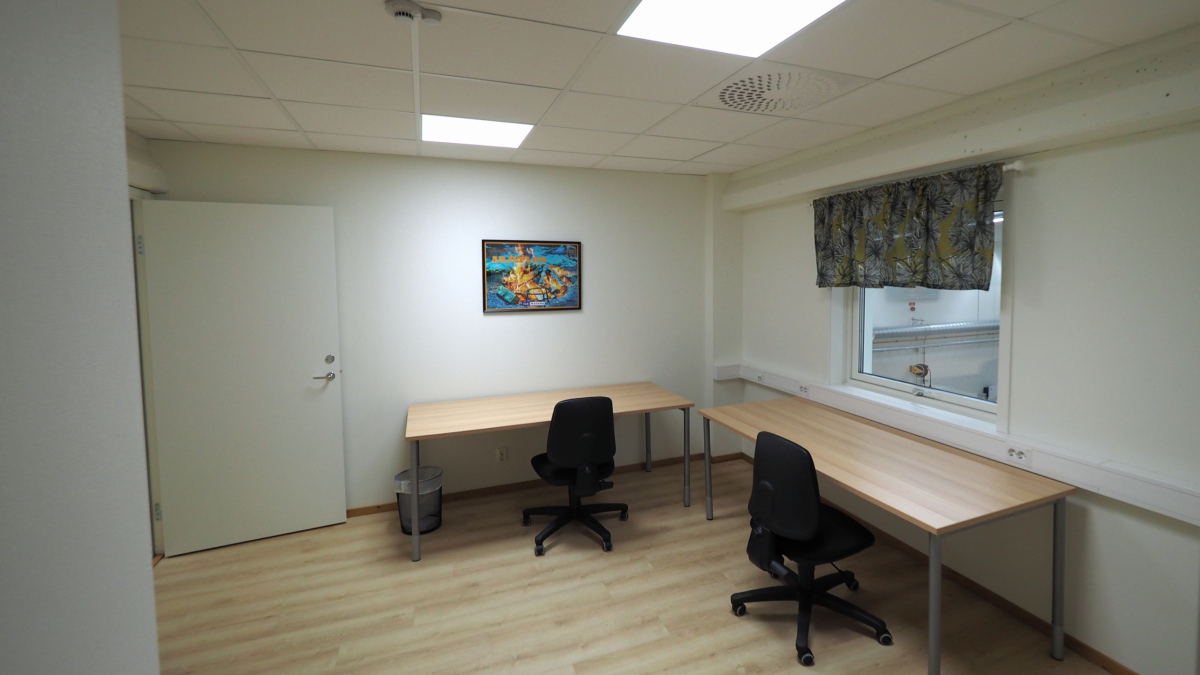
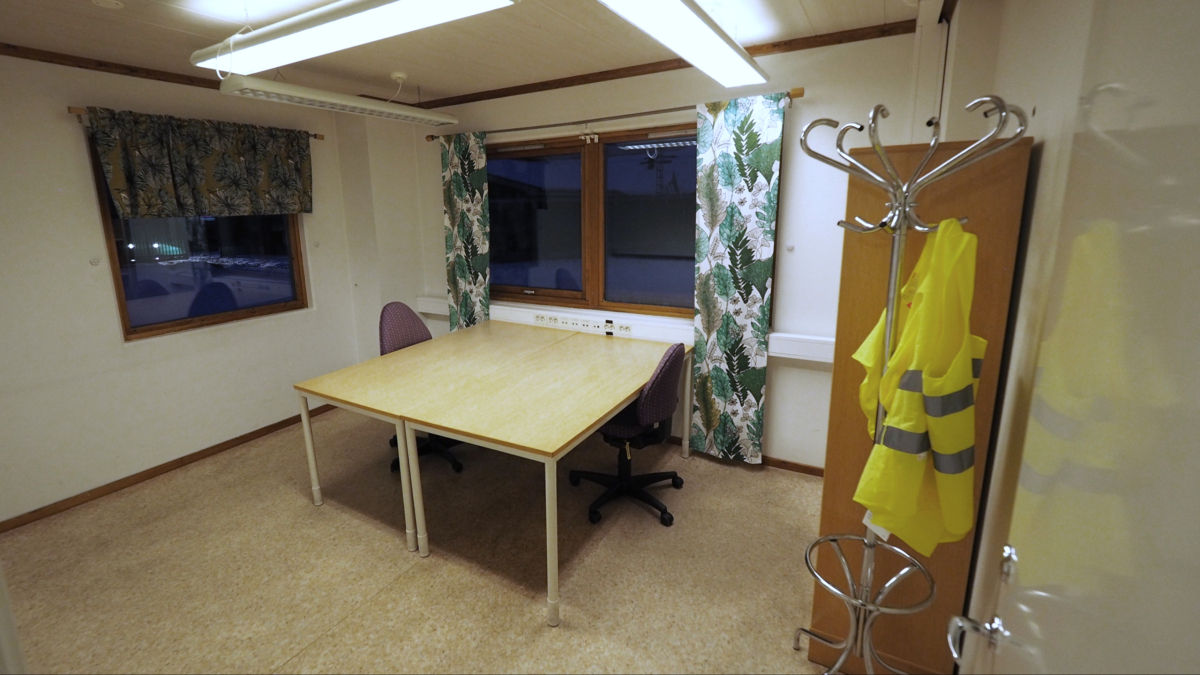

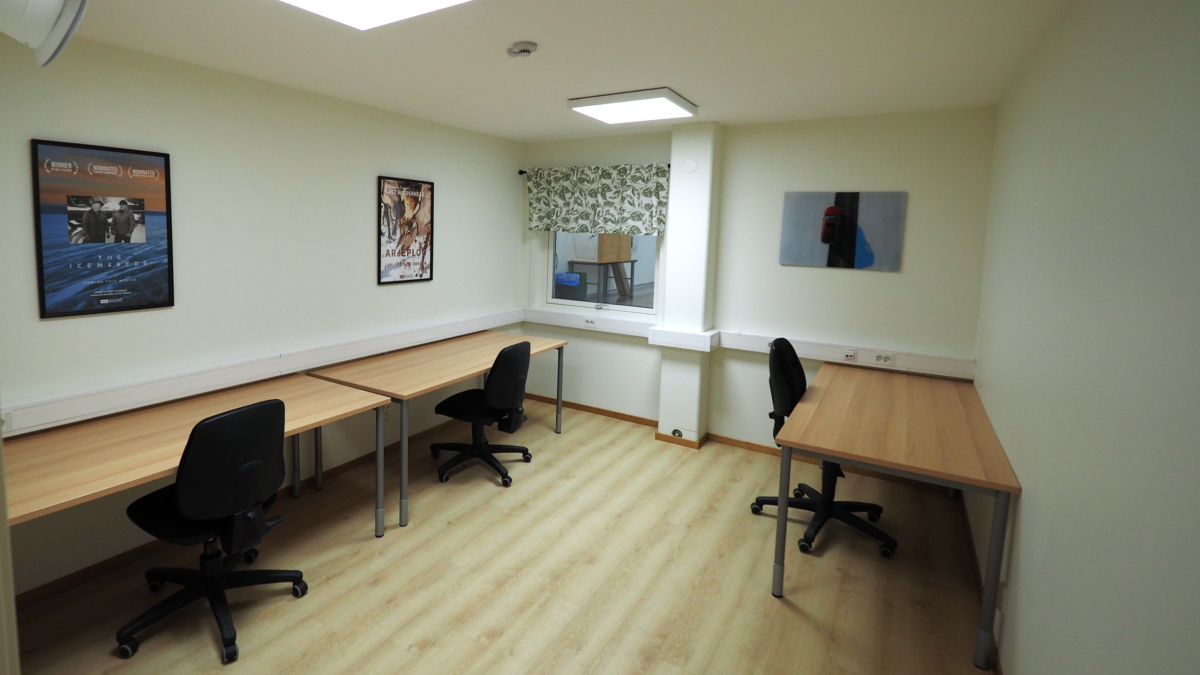
An extensive, fully integrated and fenced-off facility including workshops, offices, conference room and social areas
Kitchen & Break Room
Office Space
Conference room
EV-charging (AC)
High-speed WiFi


Workshop with four vehicle lifts and five doors. Sufficient space for parallel work or over-night storage of five vehicles. Door dimensions are: 2.4m (width) x 2.9m (height). Access to compressed air, running cold water and use of basic tools is included in the rental cost. The rental object also contains workstations for two-four people, and a WC. The garage is heated with a single door and space for one vehicle. In connection to the garage is a ~14m2 storage room. In connection to the workshop and garage, five office rooms with space for 2-7 people are available, along with a small conference room/large office for 9 people. Also included is a large kitchen, social room and WC. Secure, high-speed Internet connection is available throughout the unit via cable or Wi-Fi.
Kitchen & Break Room
Office Space
Conference room
EV-charging (AC)
High-speed WiFi


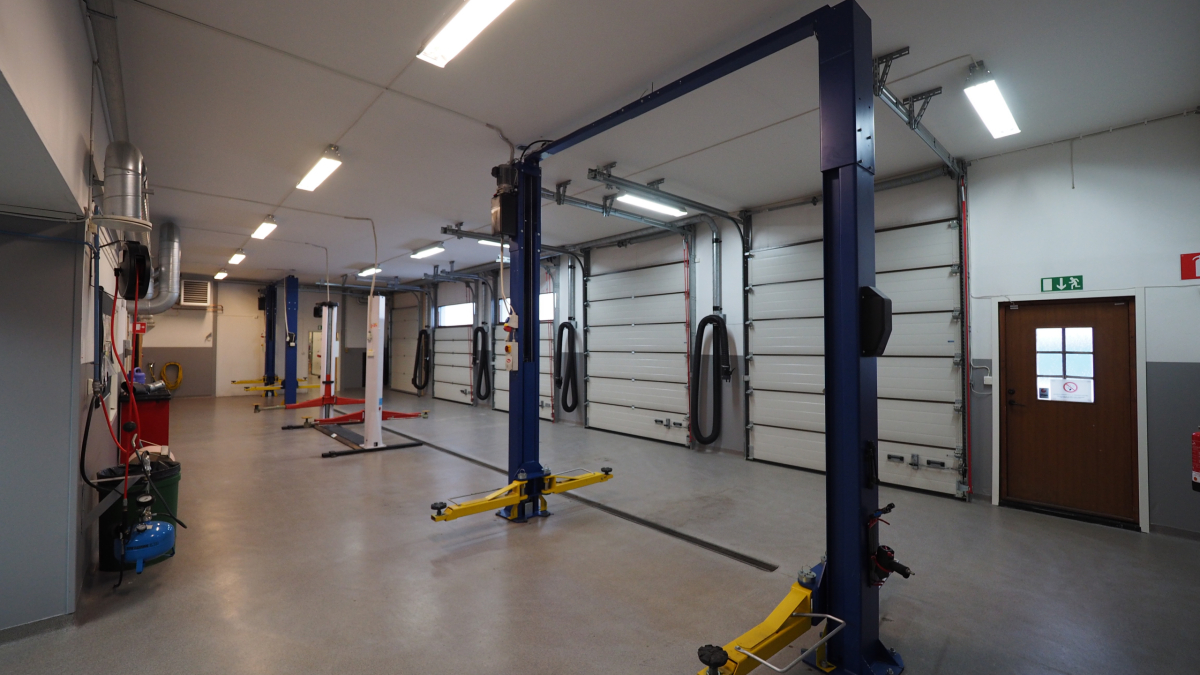

Workshop with three vehicle lifts and a total of five doors. Sufficient space for work on up to five vehicles. Three garage doors with the dimensions 2.5 x 3.0m (width x height) and two doors with the dimensions 2.5 x 2.0m (width x height). Access to compressed air, running hot and cold water, pressurized air, adequate machinery for fitting, removing and balancing tires and use of basic tools is included in the rental cost. In direct connection to the workshop there is an office for up to five people, a kitchen/social room, and a WC. Secure, high-speed WiFi-connection is available throughout the unit.
Kitchen & Break Room
Office Space
EV-charging (AC)
High-speed WiFi
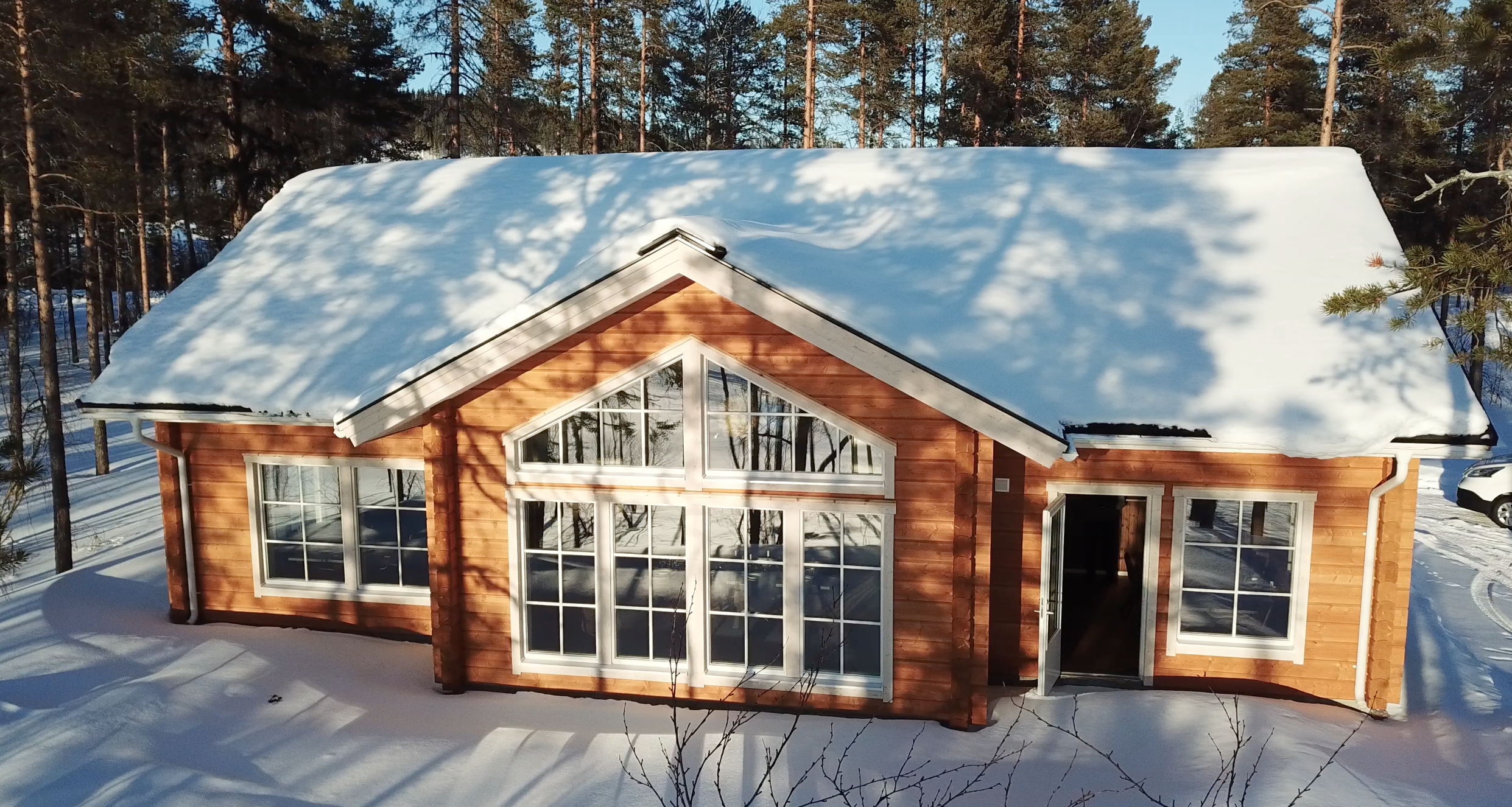

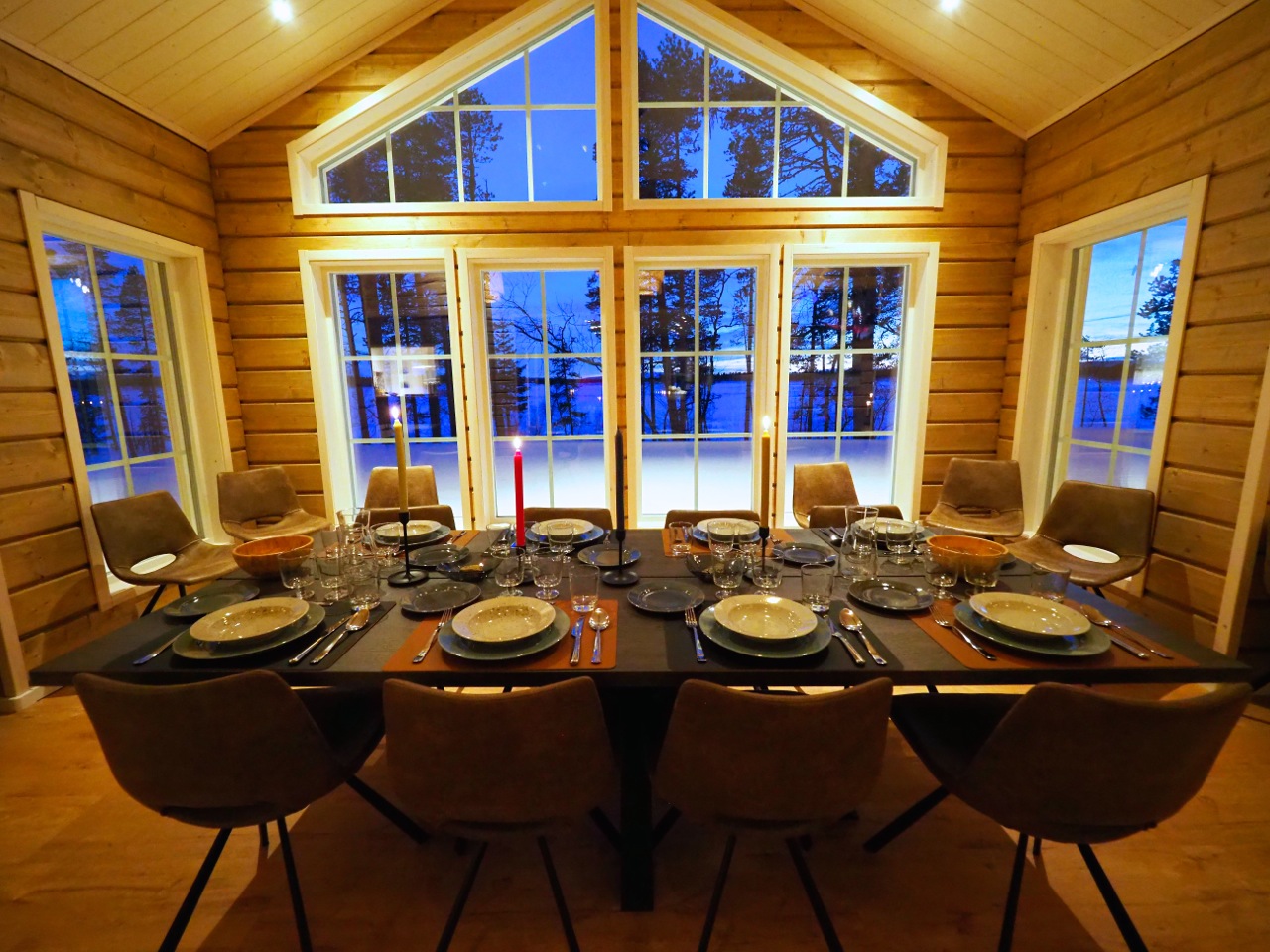
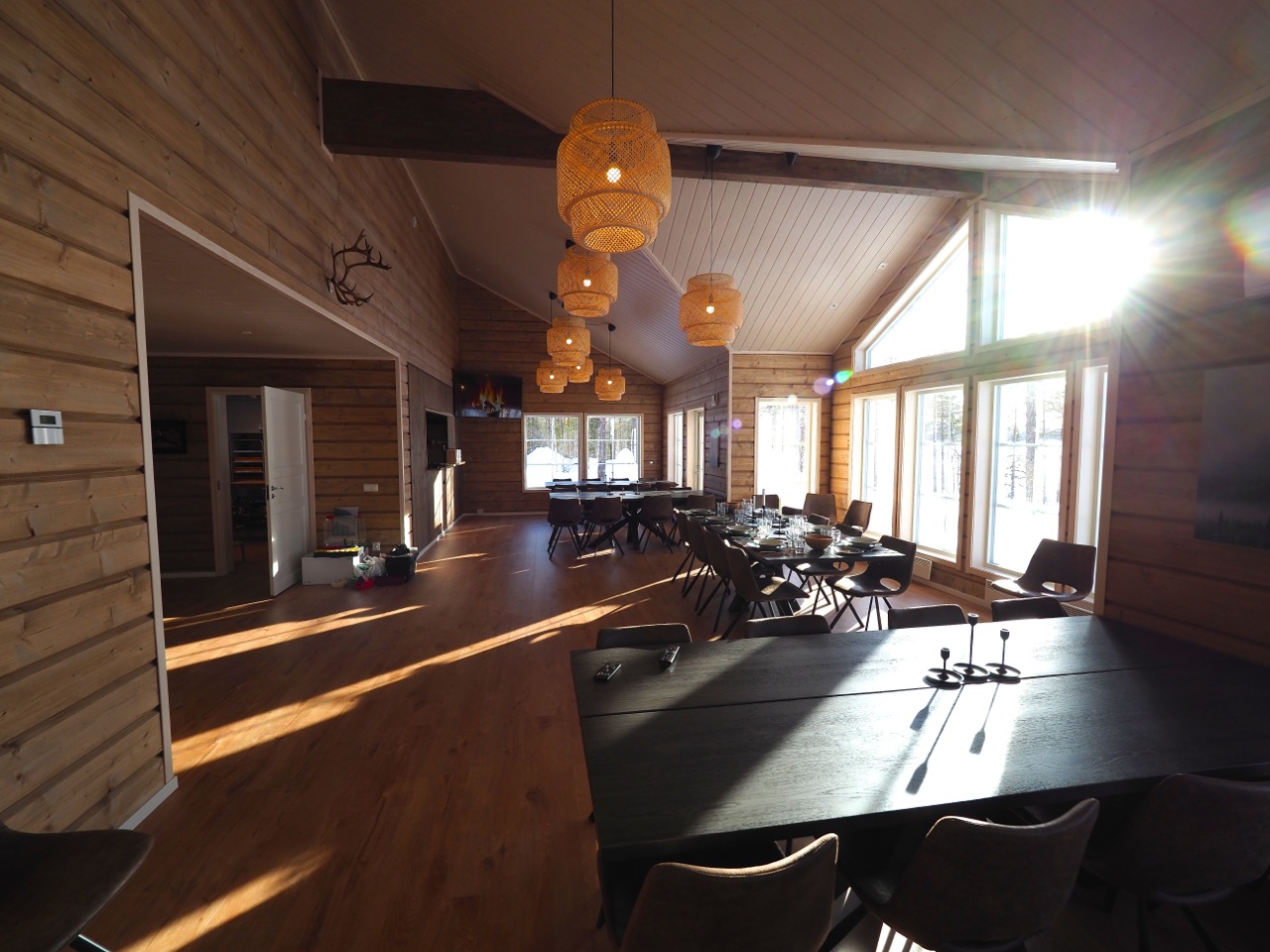
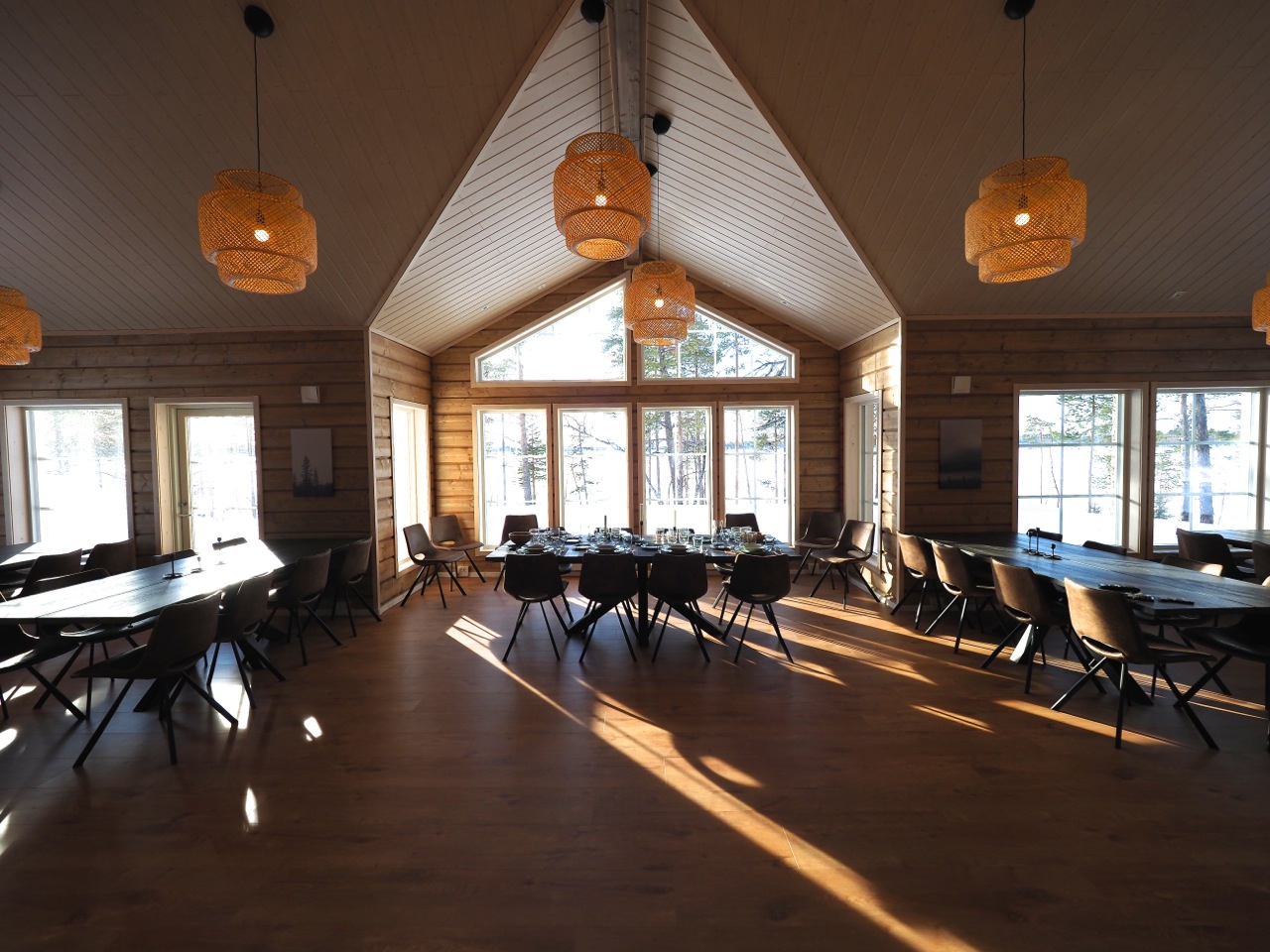
Located on the shores of Lake Kakel with an exclusive access road to the lake tracks, this is the perfect venue for hosting exclusive presentations, conferences, dinners and other events.
 WC
Kitchen
Presentation equipment
High-speed WiFi
Catering possibilities

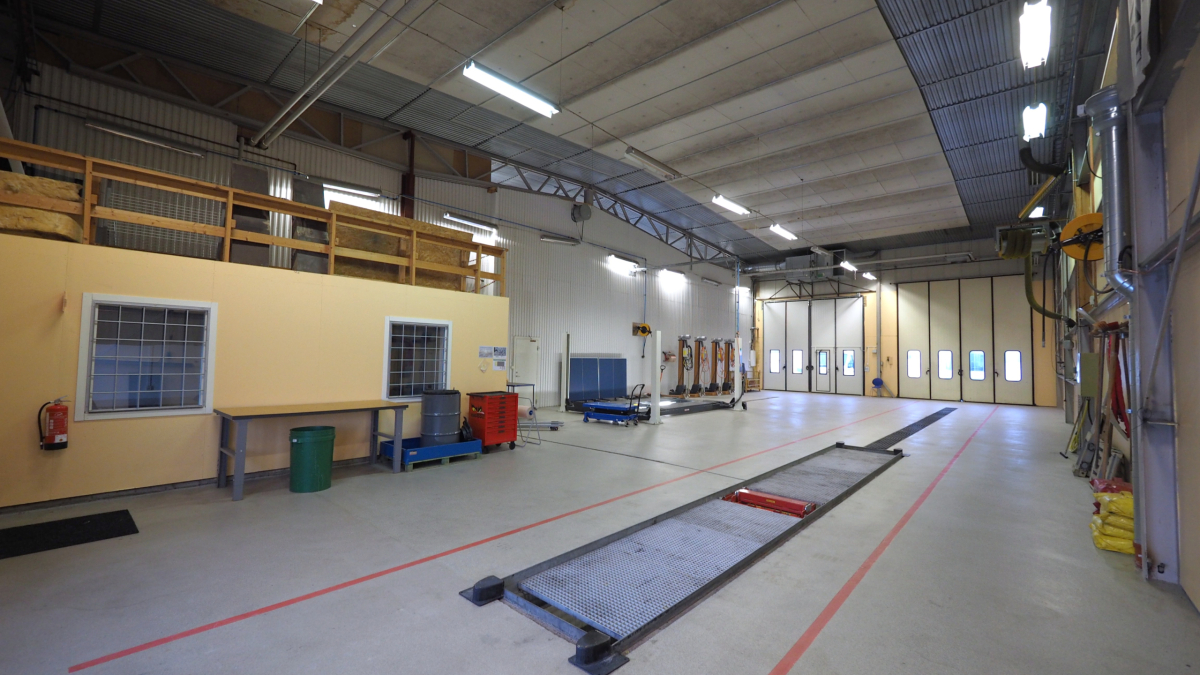


A fully integrated unit with a large workshop suitable for heavy vehicles, office space and a small kitchen
Kitchen & Break Room
Office Space
EV-charging (AC)
High-speed WiFi.


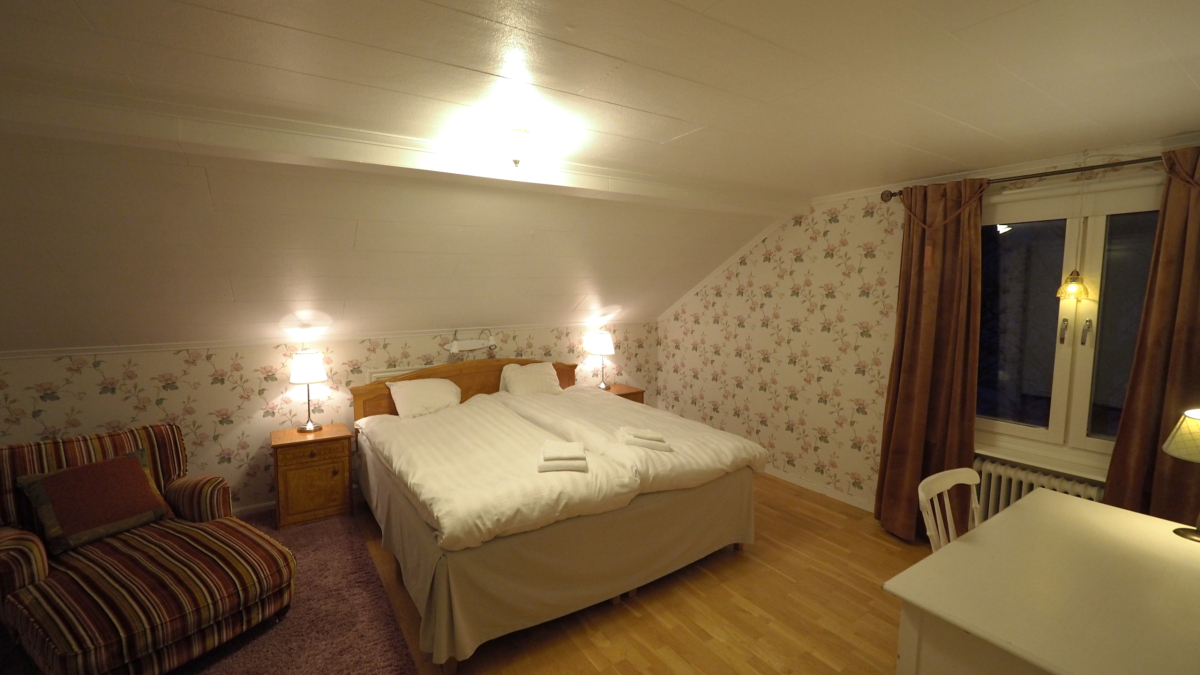
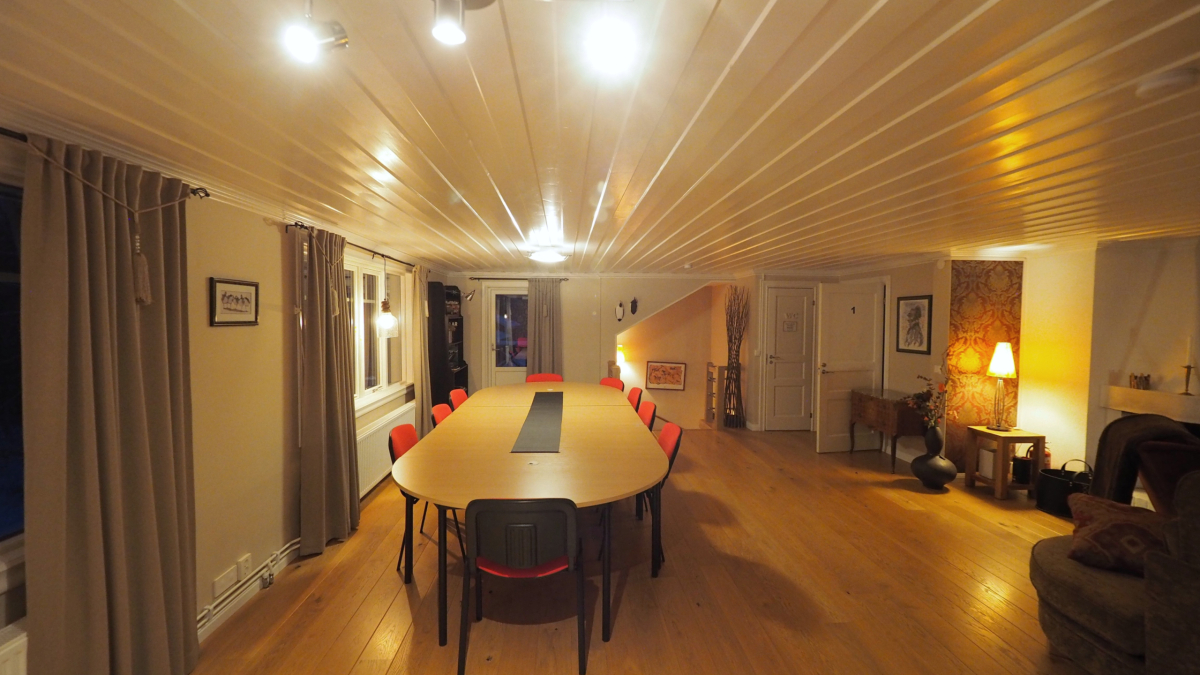
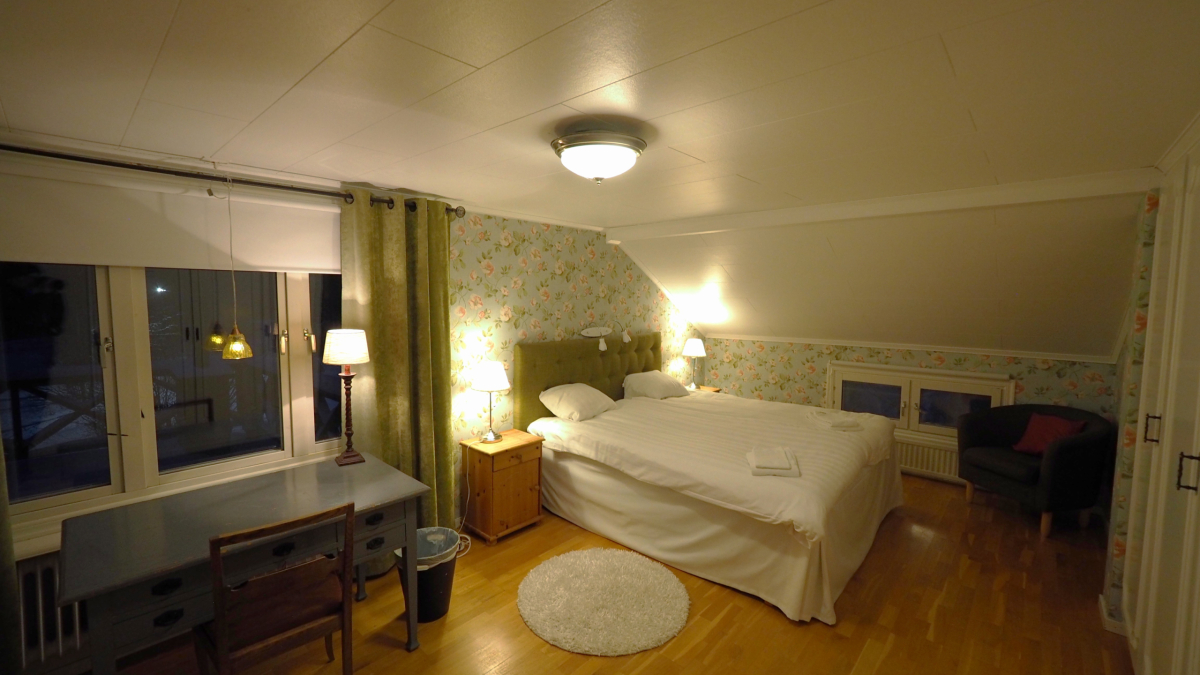
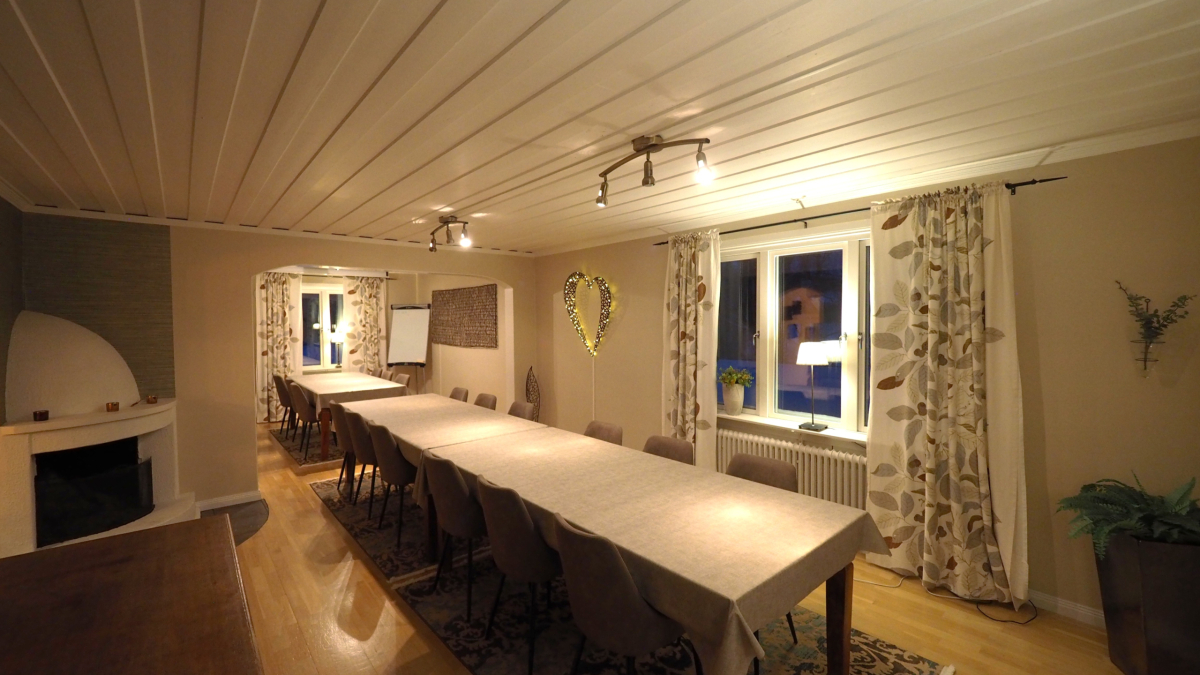

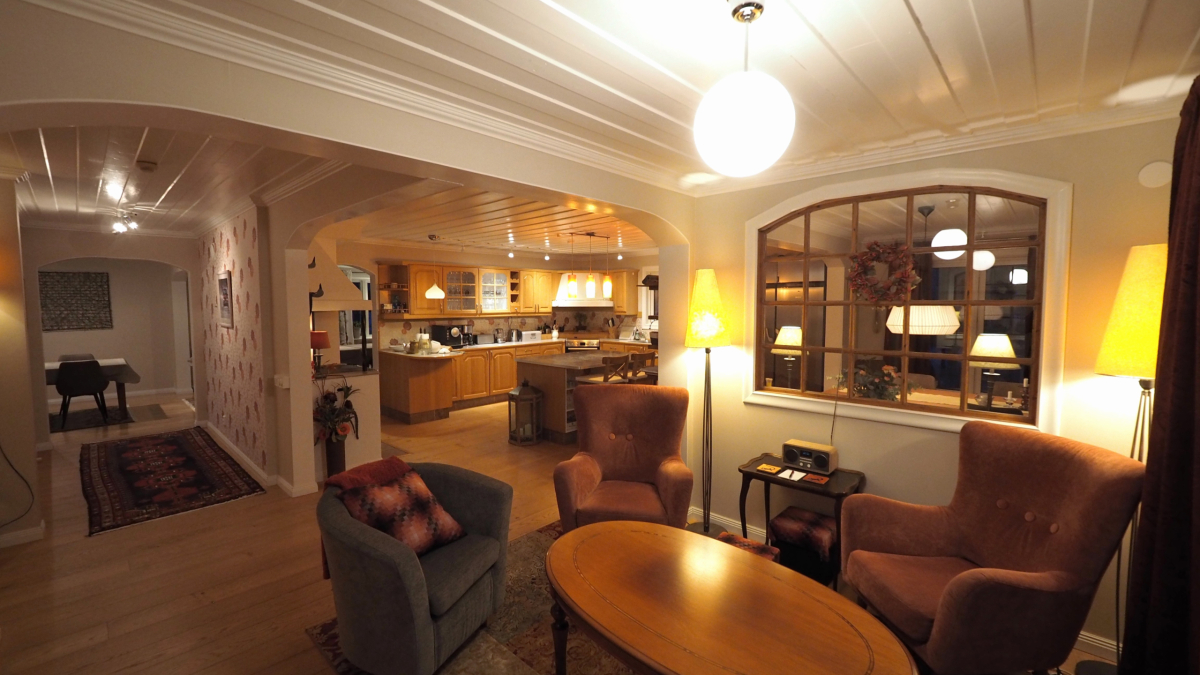
This large villa features four bedrooms, a large kitchen and dining area and generous social spaces making it suitable both for work and pleasure. A separate workshop building is located right next door.
WC
Kitchen
Presentation equipment
 Accommodation
High-speed WiFi
Catering possibilities

With its location at the shoreline of Lake Kakel, with immediate access to the lake ice tracks, this hut is the perfect place to comfortably host a group of 20 – 40 people in combination with work or other activities on the lake track area.
WC
Presentation equipment
High-speed WiFi
Catering possibilities


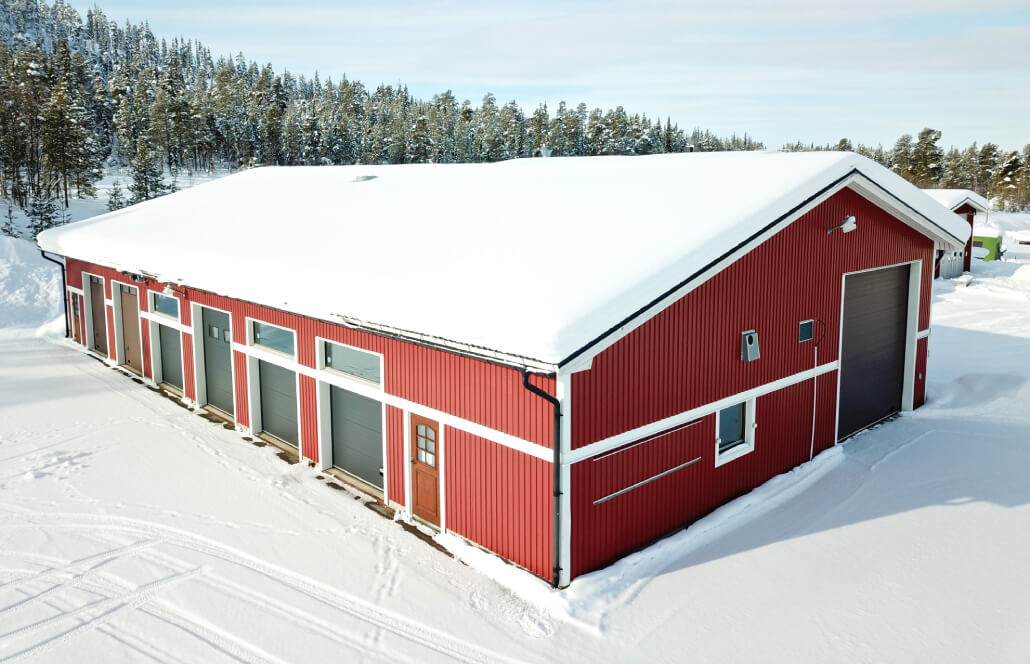


This course is designed to test vehicle handling with a balanced mix of sharp and smooth curves and fast- and slow speed sections.
The course is about 1.5 kilometers long and 6 meters wide, with a surface of packed snow/scraped ice.
We can also construct custom-made handling courses with a specific layout upon customer request.
 1 500m
 6m
 January - March
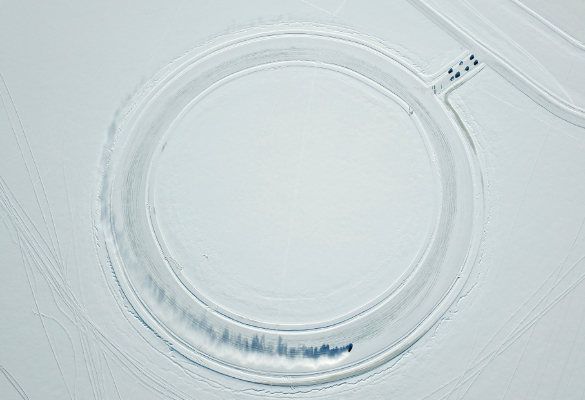



The circular track is constructed with an inner lane of polished, low-friction ice. Outside, it has a section of plowed ice with a higher friction, offering a range of different surface characteristics in the same track.
The standard radius of the circle is 120/150 meters (inner/outer) with a track width of 30 meters, but this can be adjusted upon the request. We can also construct custom-made circular tracks with varying size for exclusive use.
The layout of a circular track allows for testing to be conducted continuously at constant speeds
120/150m
30m
January - March
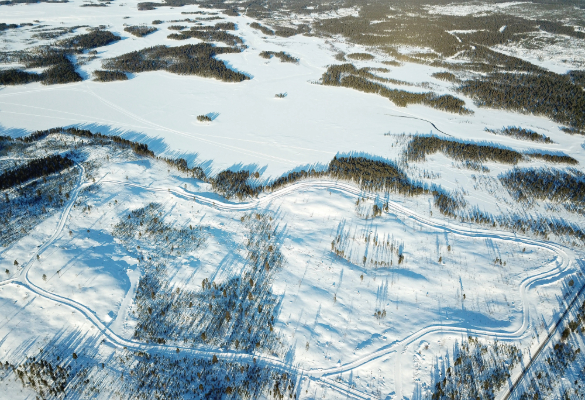

This course is designed to test vehicle dynamics and drivetrain with a balanced mix of fast and smooth curves and fast- and slow speed sections.
The course is about 1.5 kilometers long and emulates the characteristics of a typical small, Scandinavian country road in wintertime in an undulating terrain. The surface is made up of packed snow.
The track is currently rented out exclusively to a customer between January and March.
1 500m
6m
November - March


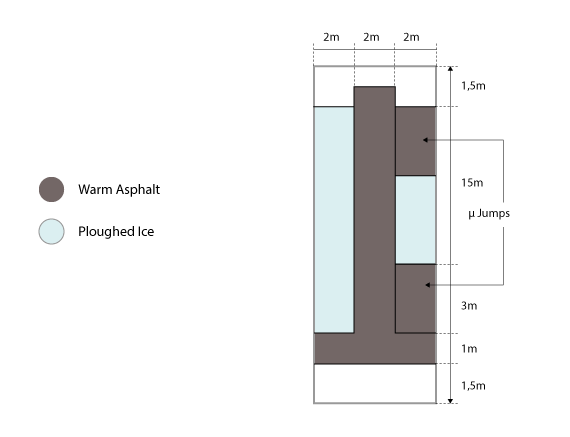
In connection with our main facility at Maskinvägen, Arjeplog we offer two test hills with 15 and 20% incline respectively.
The 15%-hill has a surface of either packed or loose snow, depending on client request.
The 20%-hill has a section of heated asphalt and offers full split-µ conditions with different µ-jump possibilities.
20m
6m
November - March


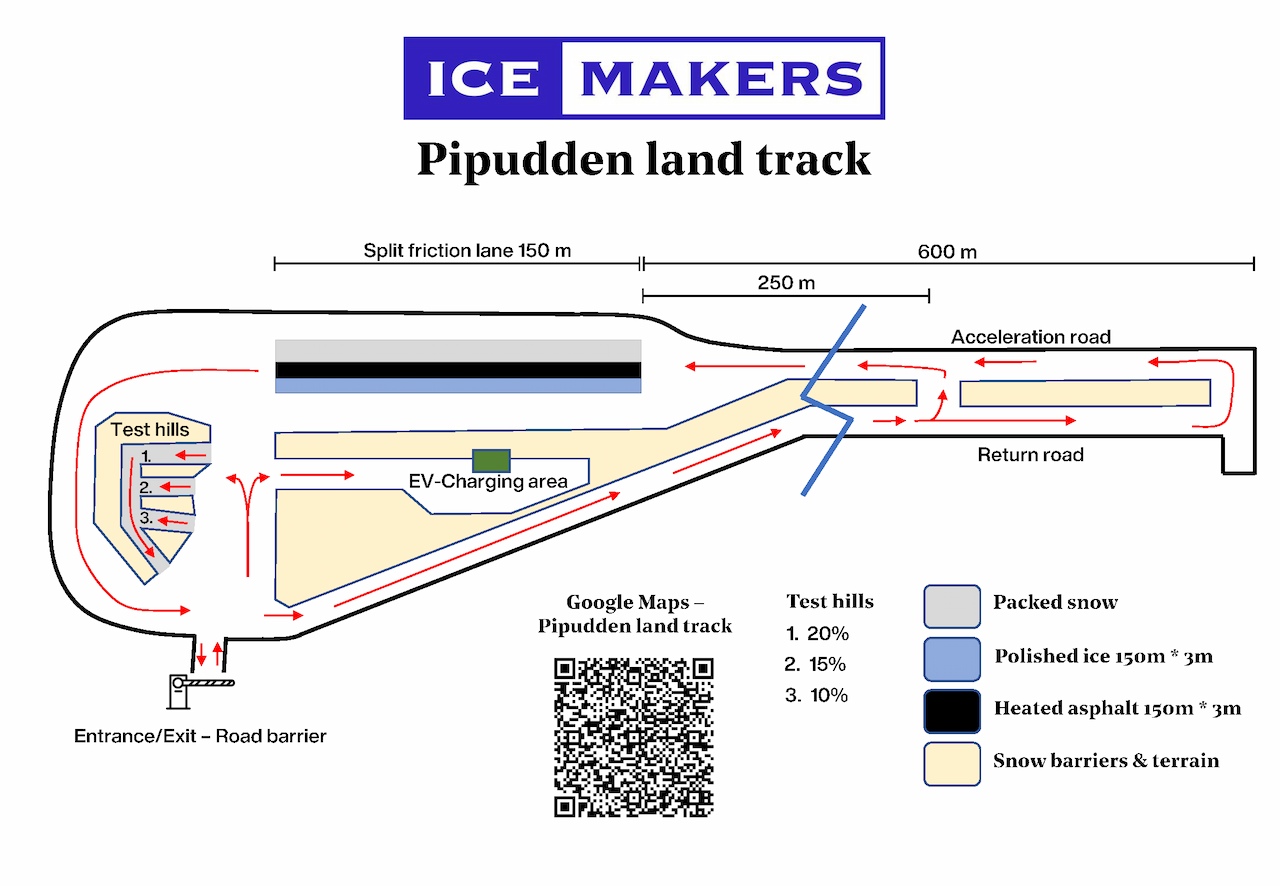
Close to our lake tracks at Pipudden, we offer a land based straight track with a split-µ section.
The track has a 600 meter long acceleration road leading up to a 150 meter long split-µ section with heated asphalt, polished ice and packed snow – giving different µ-jump possibilities.
750m long / 150m split-µ
November - March


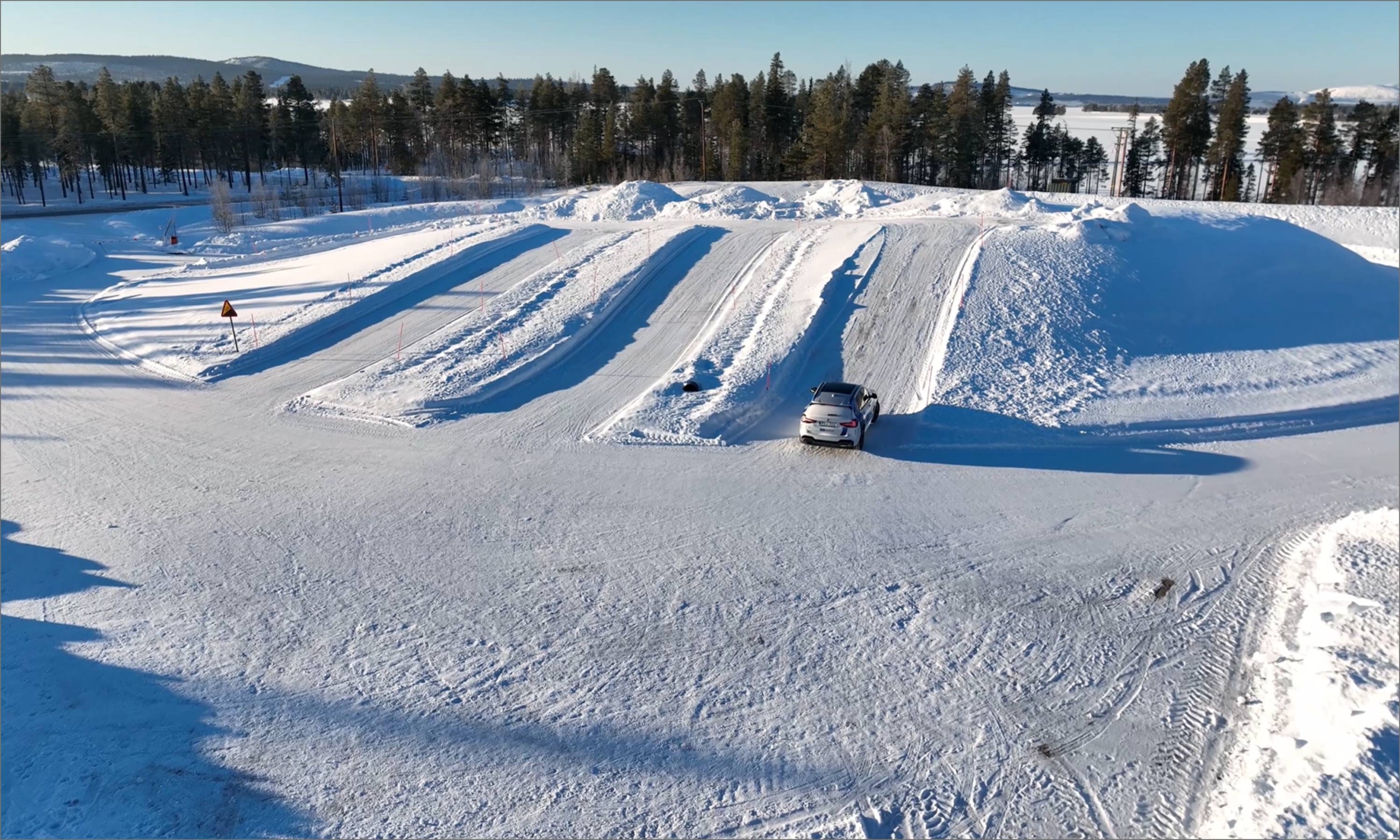

Next to our split-µ land track at Pipudden, we offer three test hills with 10, 15 and 20% incline.
20 m
6 m
November - March


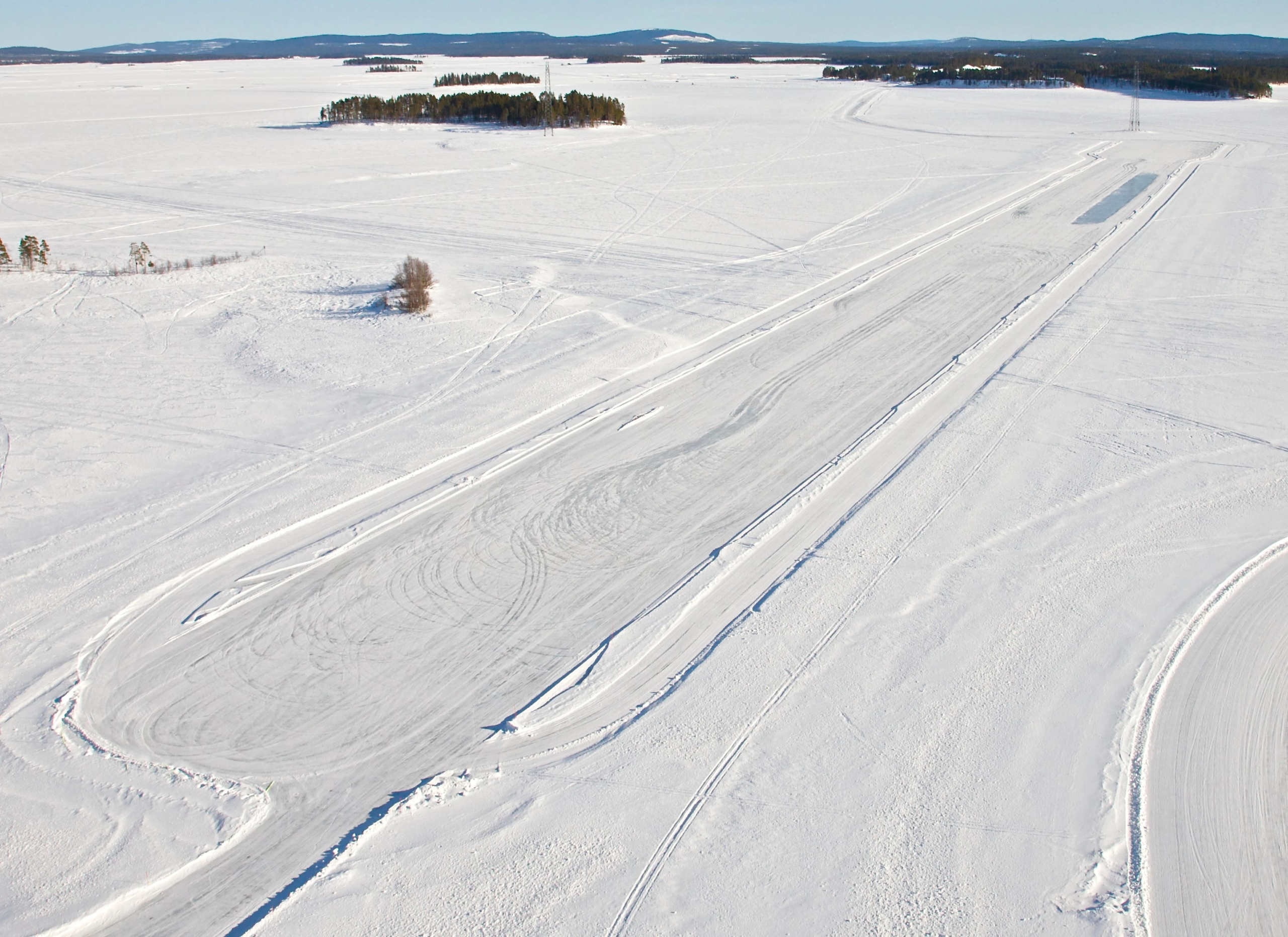
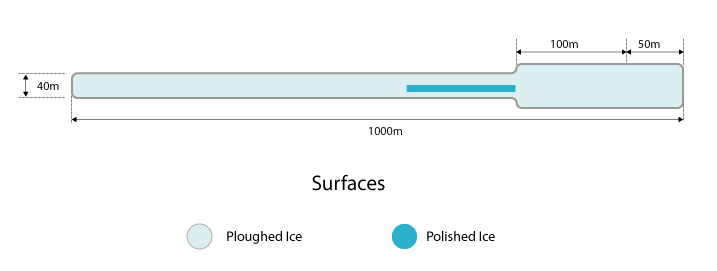
The dynamic straight consists of a lane with a packed snow/graded ice surface as well as a section with polished ice, allowing for split-µ conditions.
The track is 40 meters wide and 1 000 meters long as standard. The length and/or width may be adjusted upon specific customer requests, and we can also custom-make a track for exclusive use.
The wide, open area makes the track very versatile and it can be used for many different test applications.
1,000m
40m
January - March